Selling your home and buying your next one is a lot easier when your timing expectations are realistic. That is especially true if you need the money from your current home to make the next purchase.
An October 4 report from Spectrum Bay News 9 described slower conditions for Tampa Bay sellers. The story cited Redfin figures showing an average of 70 days on the market and pending sales down 5.9% from a year earlier. Those are figures cited in that report, rather than a prediction for your home or a county-specific estimate.
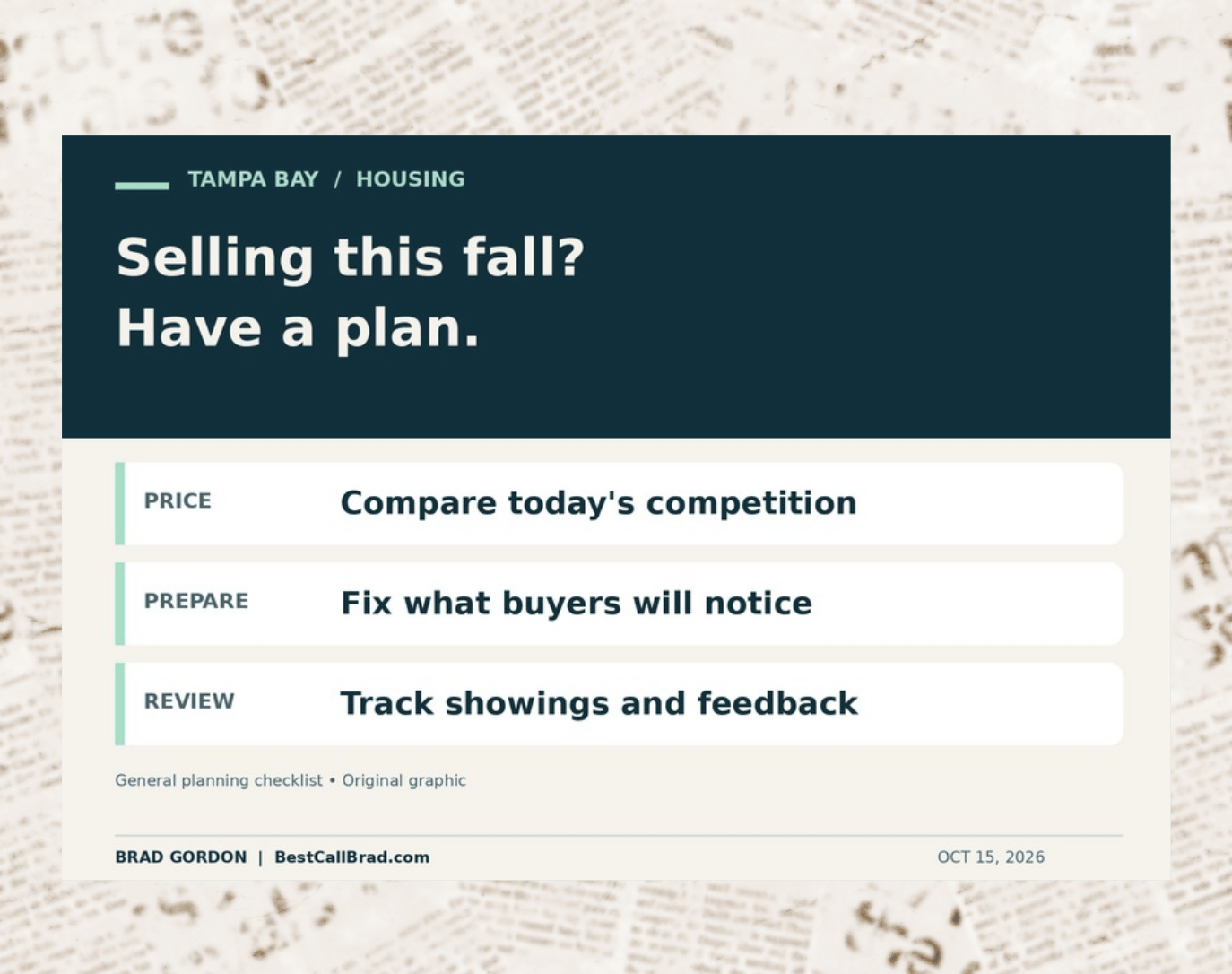
My take is pretty straightforward: build your selling plan around the buyers and competing homes that are available now. Here is what I would focus on before putting a sign in the yard.
Start with homes a buyer would actually compare to yours
If you are selling a four-bedroom home in Wesley Chapel, a sale across Tampa Bay may not tell us much about your likely buyer. I would rather look closely at similar homes nearby, including their condition, size, features, location, and asking prices.
Closed sales help us understand what buyers have paid. Active listings show the alternatives they can tour this weekend. Pending sales can provide another useful signal, although the final sale price may not be available yet. We need to consider all of that before deciding where your home belongs.
I would also look at listings that expired or were withdrawn. They deserve a closer look because an asking price alone does not establish what buyers will pay. The goal is a defensible price, with clear reasons behind it.
Take care of the things that distract buyers
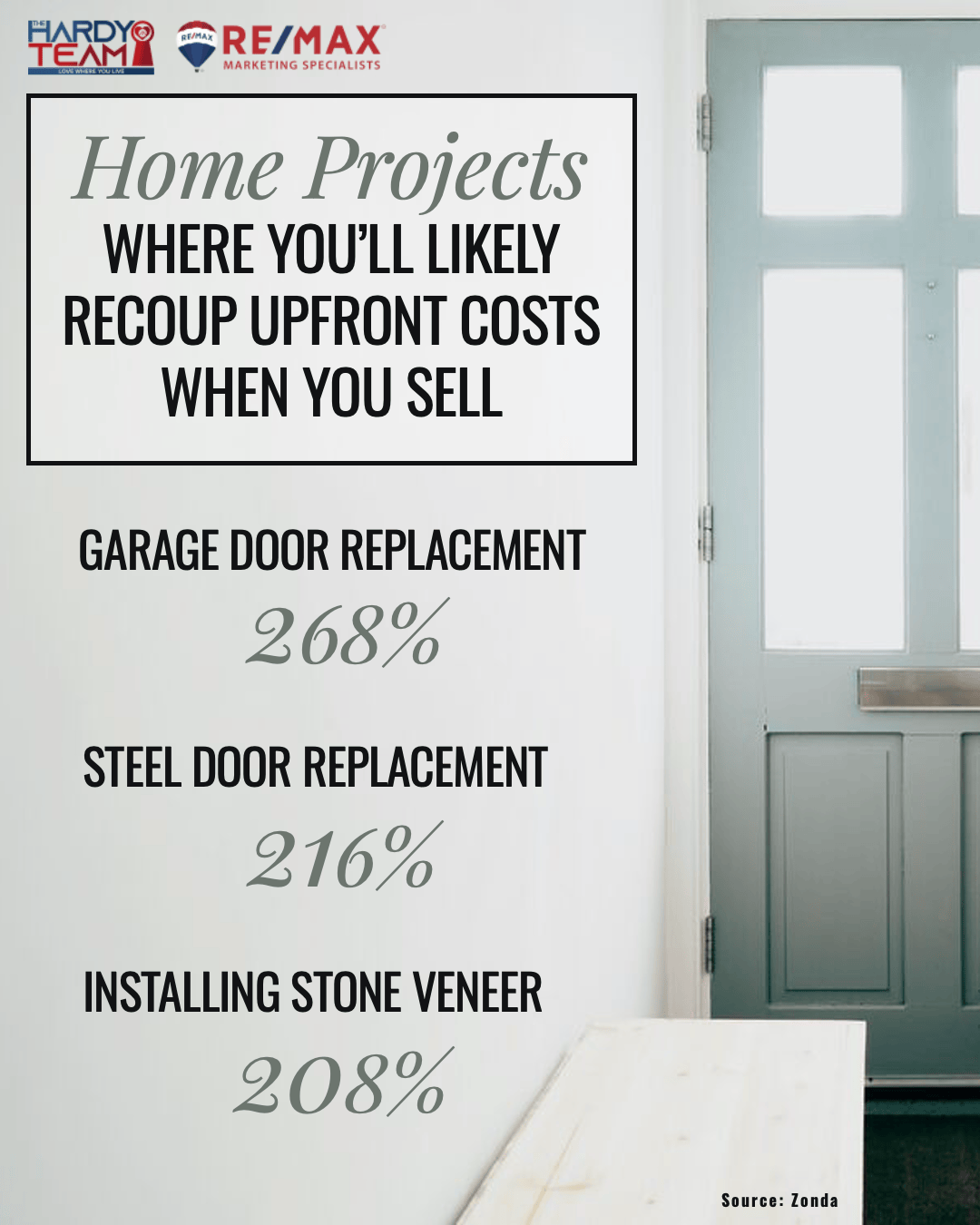
Before spending money on a major renovation, get an honest assessment of what actually needs attention. Cleaning, reducing clutter, touching up damaged paint, and making the home easier to photograph may be the better place to start.
Gather information about the roof, air conditioning, repairs, warranties, and any community fees. Having those details ready makes it easier to answer questions without several days of back-and-forth. If there is a known issue, discuss how to address it before the home goes live.
Showing access matters, too. If every appointment requires several days of notice, you may miss buyers whose schedules are already tight. Set reasonable arrangements that work for you while giving interested buyers a practical chance to see the property.
Agree on a review plan before listing
I would set a regular time to review showing activity, feedback, online interest, and changes in the competing listings. A review does not automatically mean a price reduction. It means checking whether the plan is producing the response we expected.
Few showings may call for a different conversation than frequent showings with no offers. Repeated concerns about condition deserve attention. So does a nearby seller making a meaningful improvement to their price or terms. We should respond to evidence instead of waiting for a specific number of days out of habit.
Leave room in your moving schedule
If you are planning another purchase, talk through the timing before committing to deadlines. Ask your lender what needs to happen with the current home, and work out what you would do if the sale takes longer than expected.
You can still make a move in a slower market. It just helps to have a sensible asking price, a prepared home, and a plan for the weeks between listing and closing. What would you need your selling timeline to look like for your next move to work?